拳譜 Manual


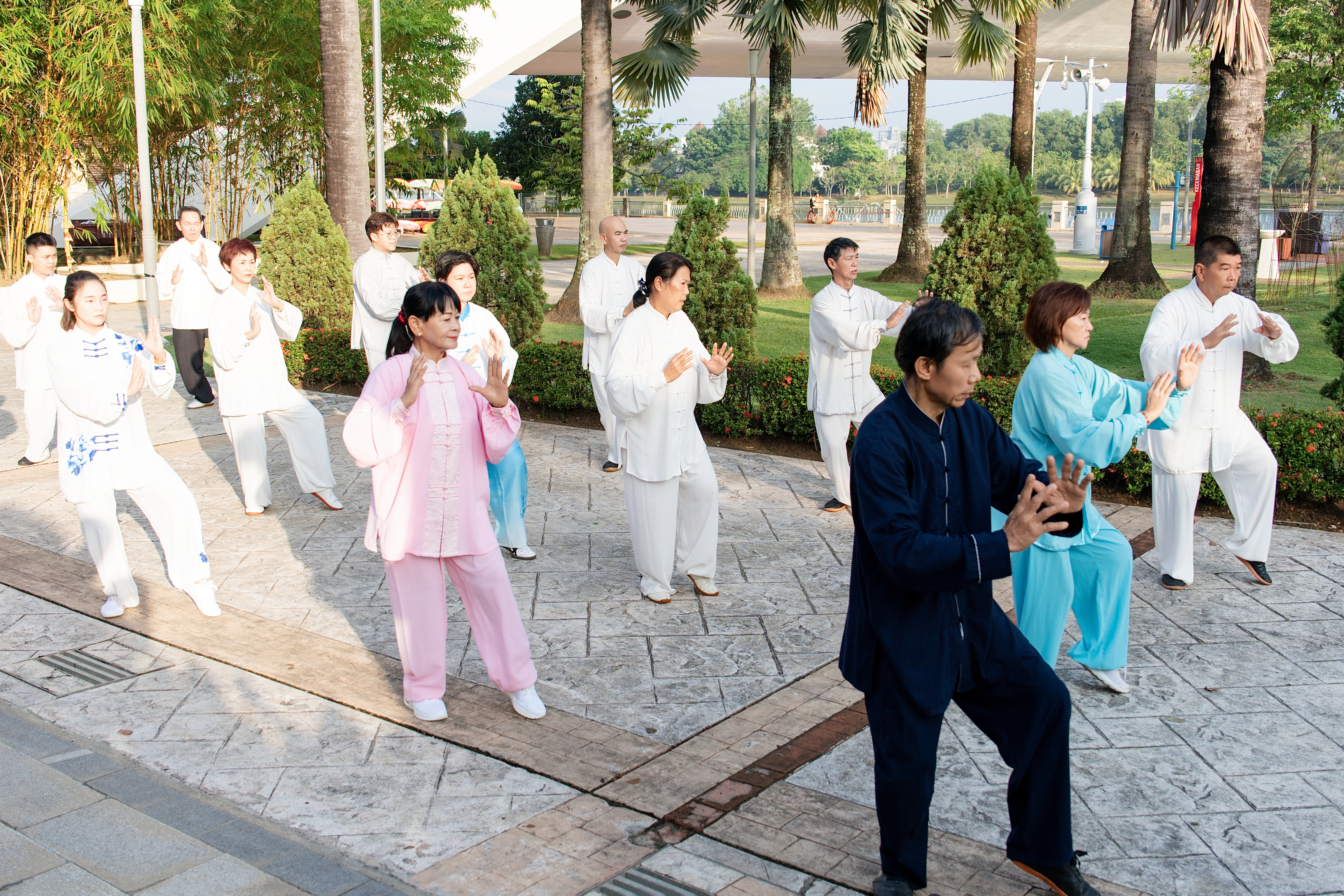
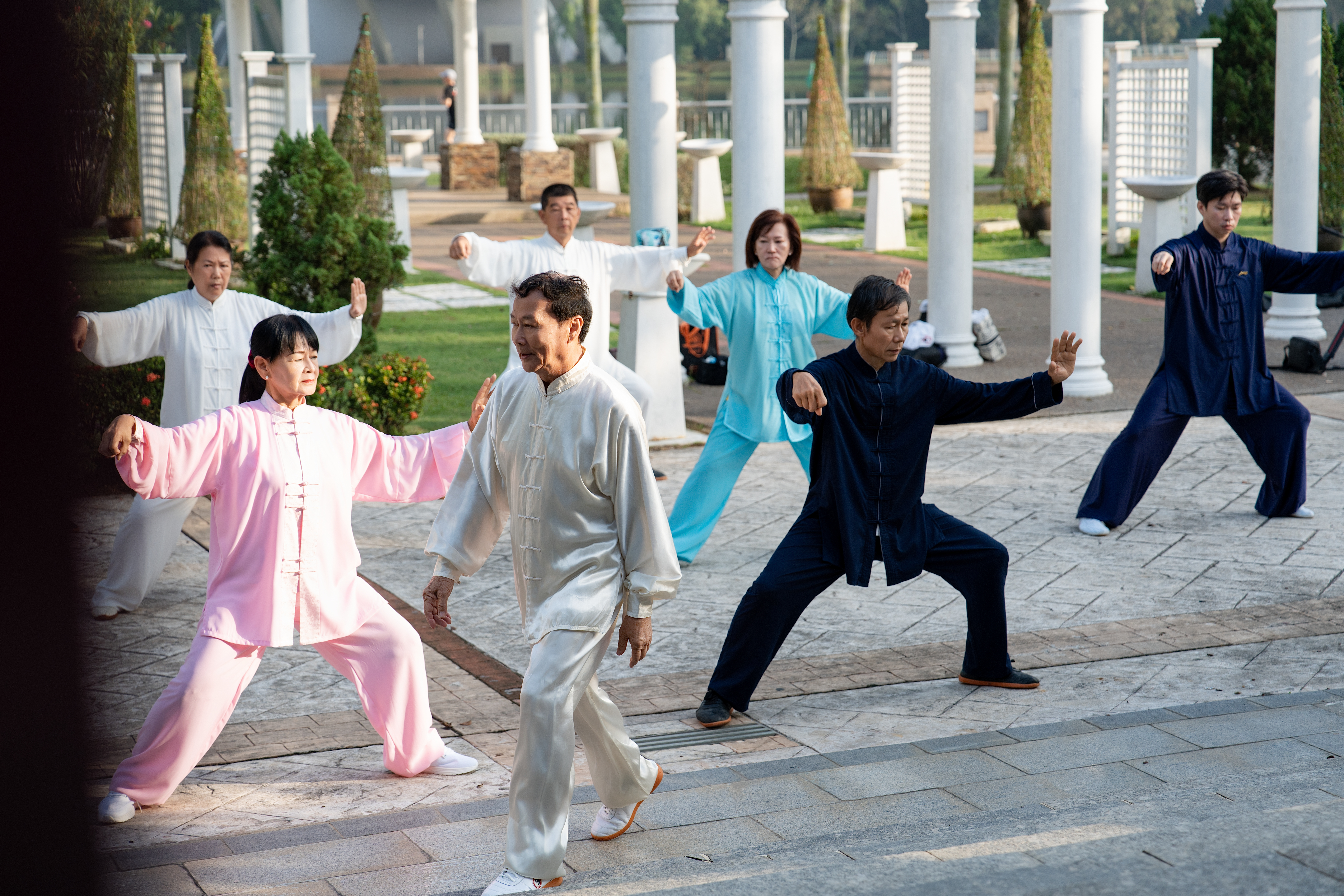
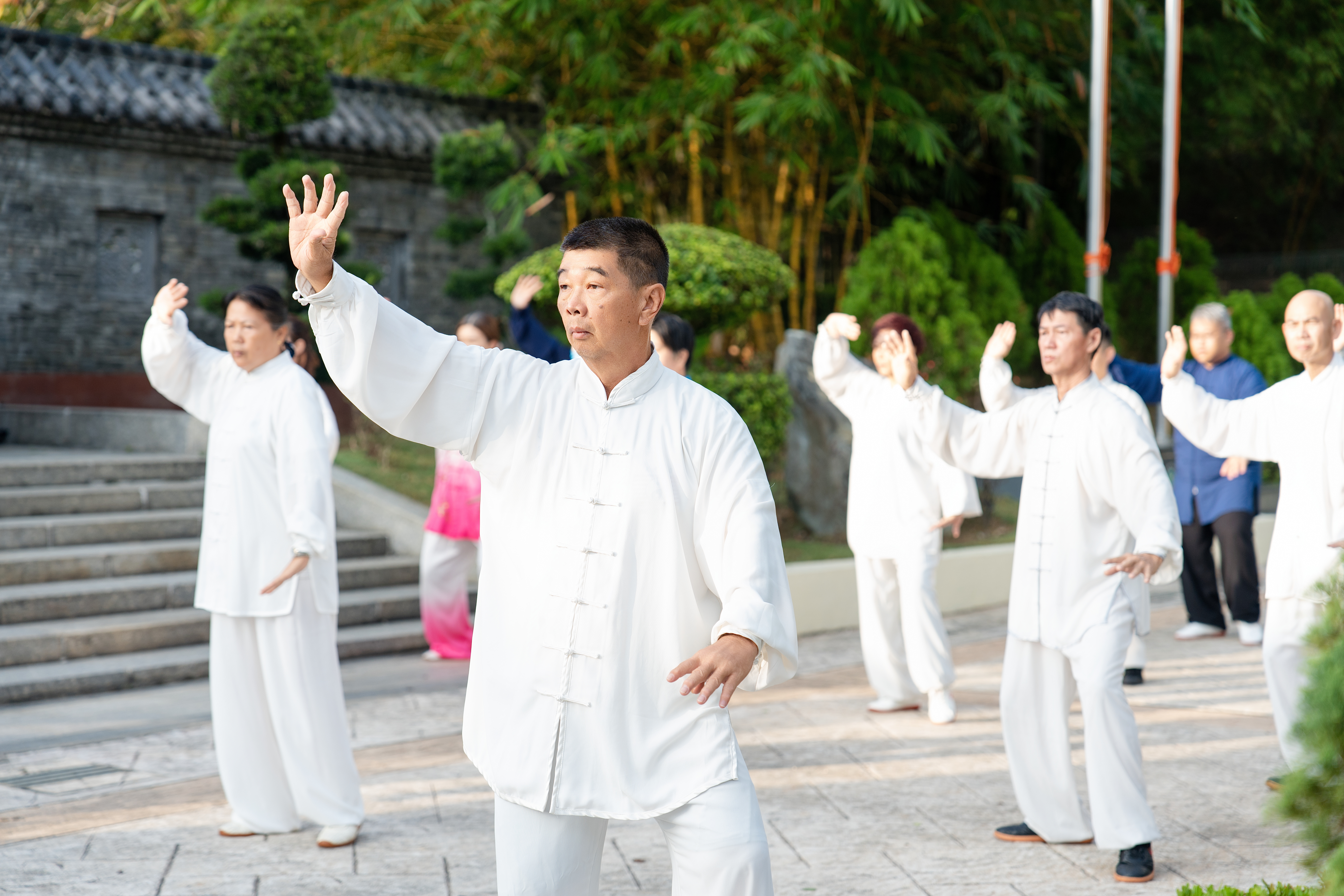
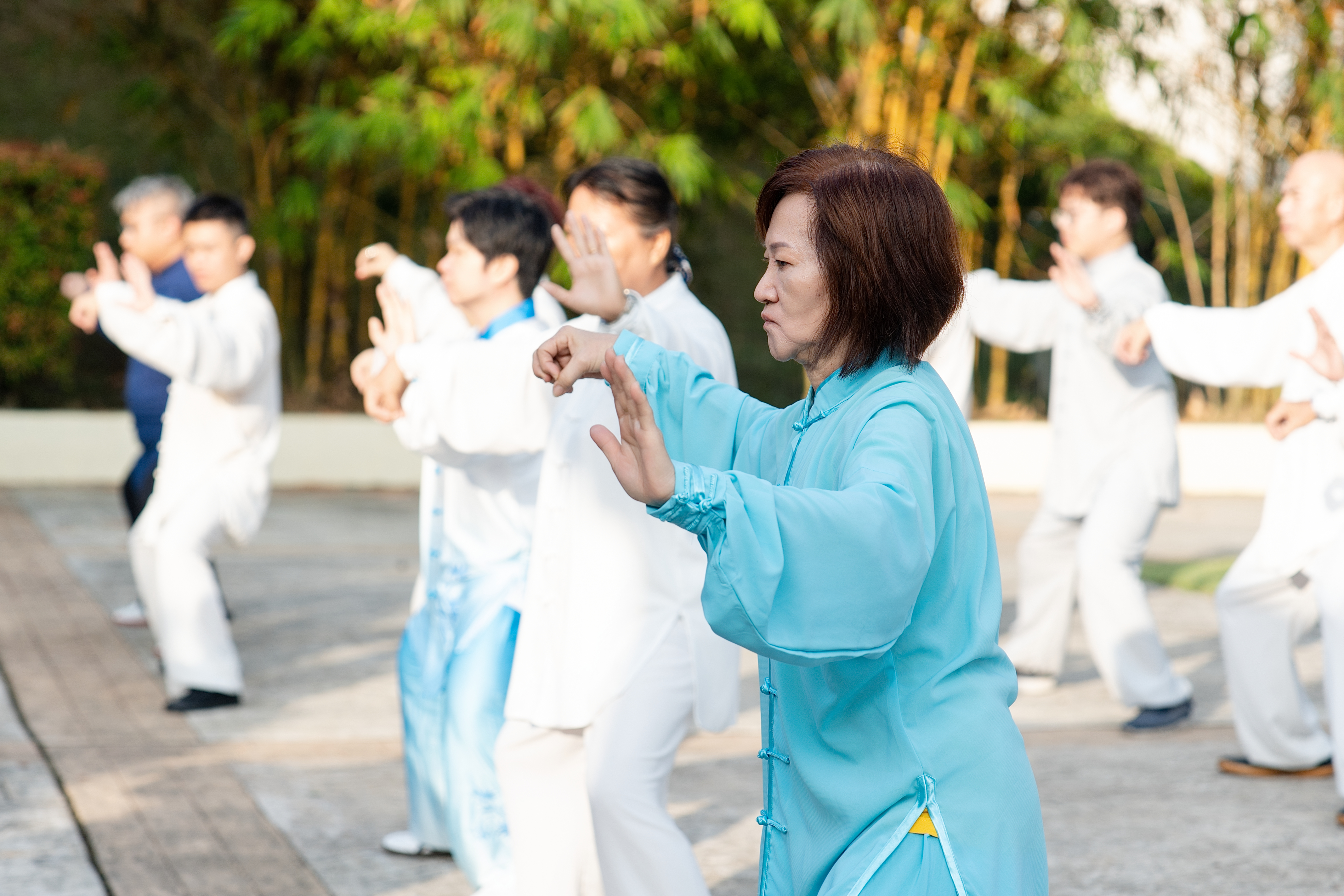
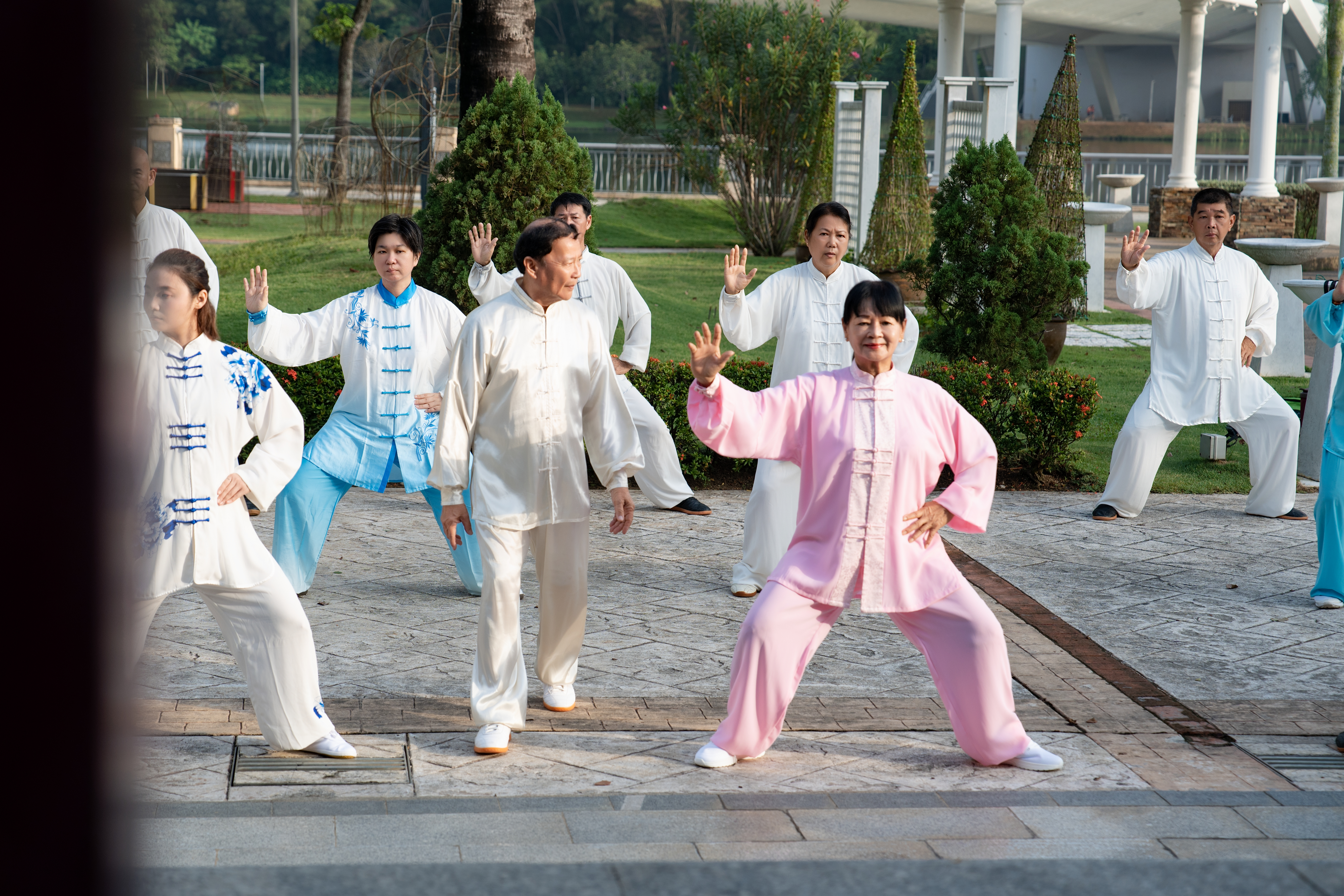
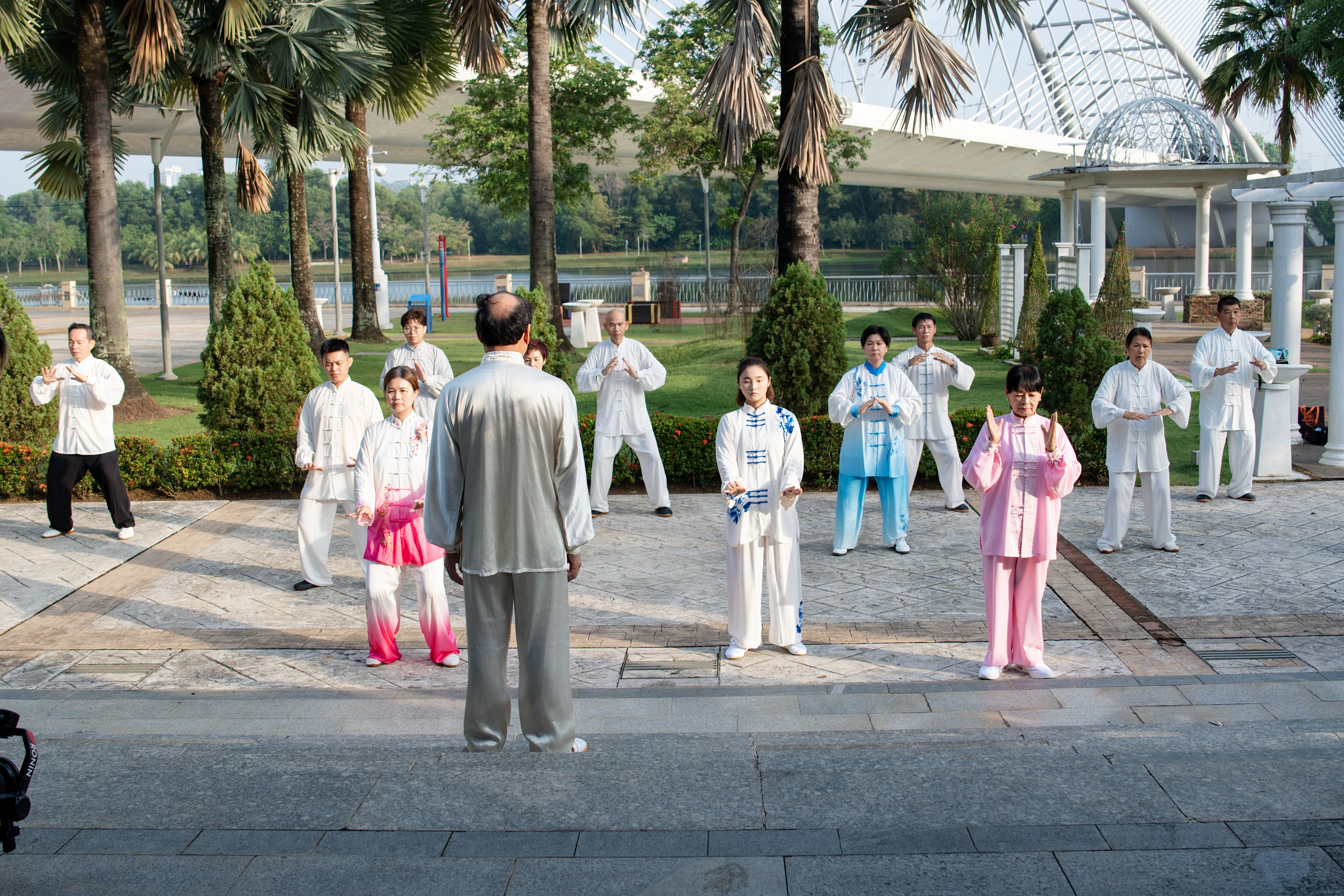
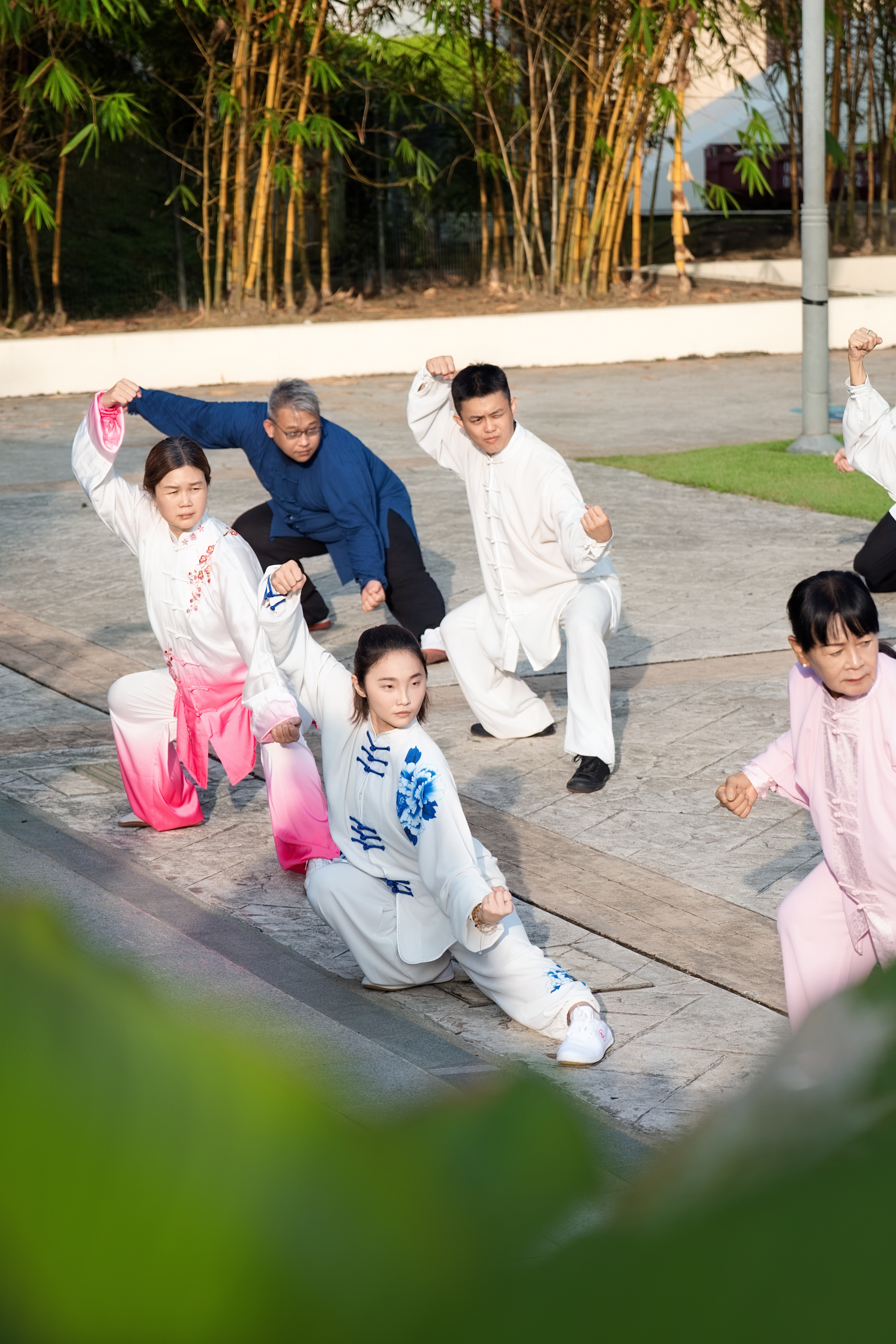
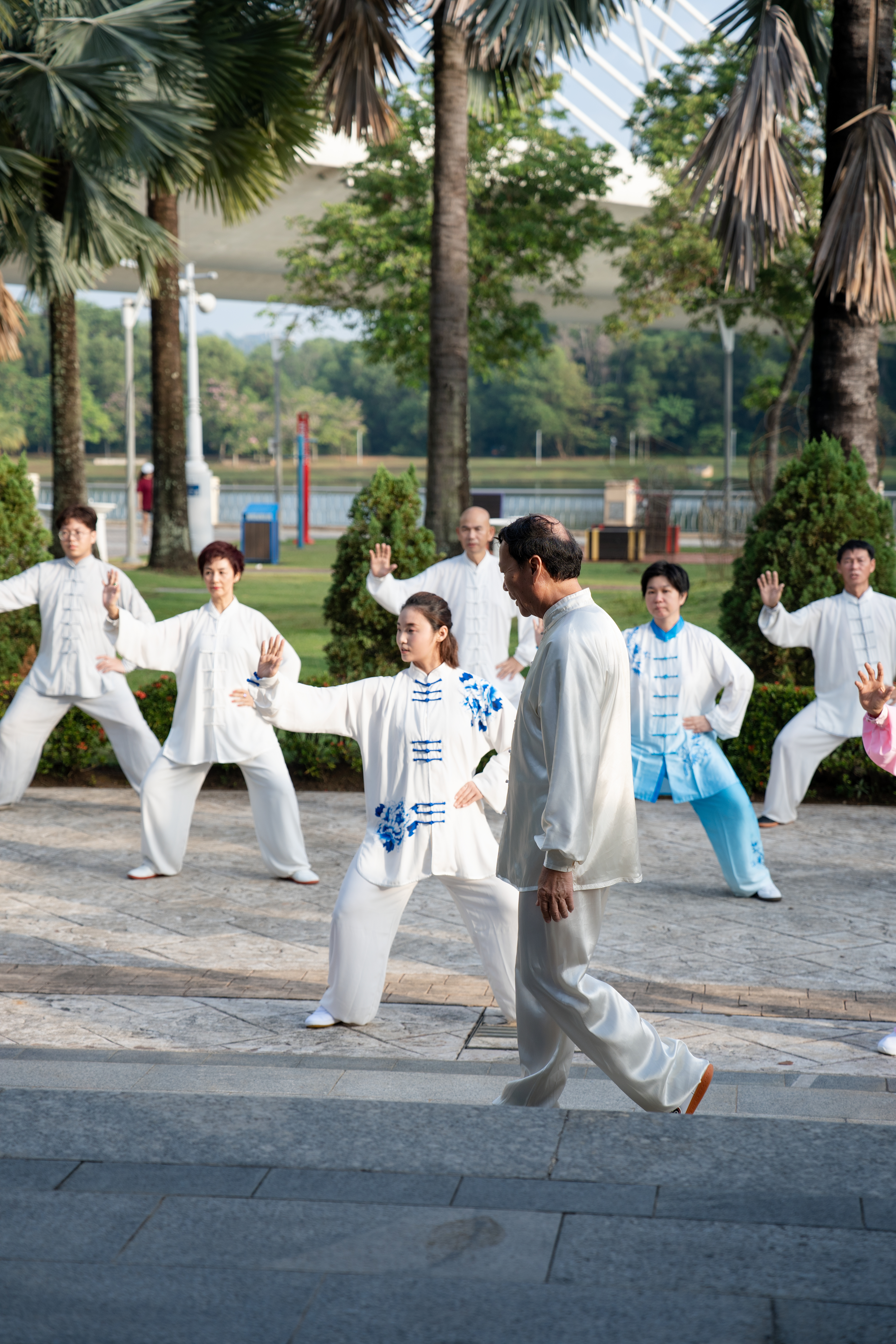
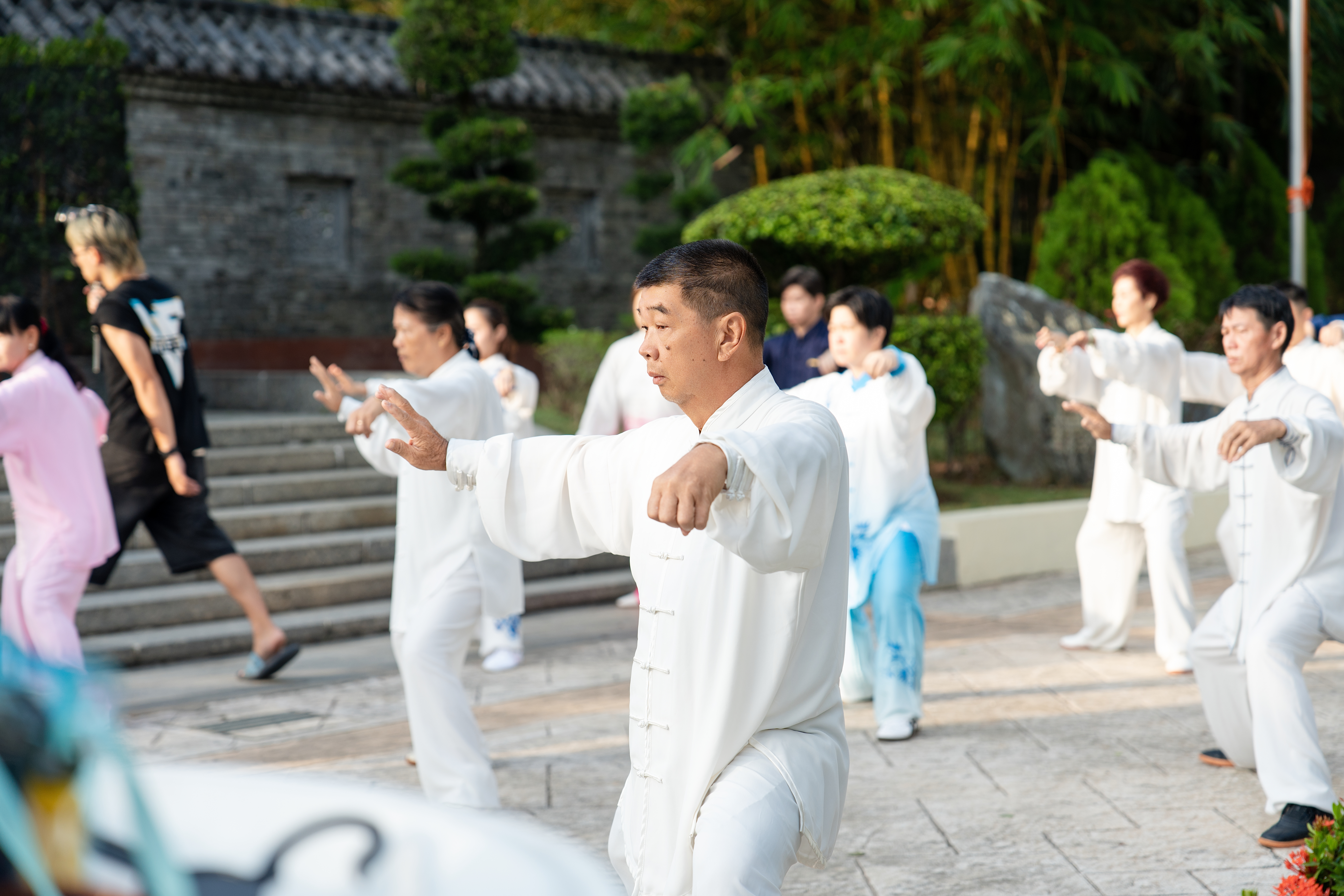
陈式太极拳老架(亦称大架)系陈家沟陈氏第十四世祖陈长兴所创。他在陈王廷创编的太极拳五路、炮捶一路、一百零八势长拳一路的基础上,由博归约编排成现在流行的老架一路、二路(亦称炮捶)。一路拳以柔为主,柔中有刚;二路拳以刚为主,刚中有柔,两路拳相辅相成,互为其根,直至达到刚柔相济,浑然一圆。
The Old Frame (also known as the Large Frame) of Chen-style Taijiquan was created by Chen Changxing, the 14th-generation ancestor of the Chen family in Chenjiagou. Based on the five routines of Taijiquan, the Cannon Fist routine, and the 108-posture Long Fist originally developed by Chen Wangting, he refined and systematized them into what is now known as the First Routine (Yilu) and Second Routine (Erlu, also called Cannon Fist). The First Routine emphasizes softness with hardness within; the Second Routine emphasizes hardness with softness within. The two routines complement each other, serving as mutual roots, ultimately achieving a harmonious integration of hardness and softness, forming a unified whole.
摘自:《陈式太极拳全书》陈正雷 著,第 75 页。
Source: “Complete Book of Chen-Style Taijiquan” by Chen Zhenglei, p. 75.
以上英文内容为翻译版本,仅供参考;如有歧义,概以中文原文为准。
The English content provided herein is a translated version for reference only. In the event of any discrepancy, the original Chinese text shall prevail.
陈式太极老架一路
Chen-Style Taiji Laojia First Routine
老架一路的特点是:架势舒展大方,步法轻灵稳健,身法中正自然,内劲统领全身,以缠丝劲为核心,动作为腰为主,节节贯串;一动则周身无有不动,一静百骸皆静;运动如行云流水,绵绵不断,发动时松活弹抖,完整一气。
the Old Frame First Routine's characteristics are: expansive and open postures, light and stable footwork, upright and natural body alignment, internal force guiding the entire body, silk-reeling energy as the core, and movements led by the waist with seamless connection through every joint. When one part moves, the whole body moves; when one part becomes still, the entire body becomes still. The movements flow like drifting clouds and flowing water, continuous and unbroken; when issuing force, the body remains relaxed, lively, springy, and shaking, all integrated into one complete breath.
练习时要求:虚领顶劲,立身中正,松肩沉肘,含胸塌腰,心气下降,呼吸自然,松胯屈膝,裆劲开圆,虚实分明,上下相随,刚柔相济,快慢相间,外形走弧线,内劲走螺旋;以身领手,以腰为轴,缠绕圆转,逐渐产生一种似柔非柔、似刚非刚,极为沉重而又极为灵活善变的内劲,如棉花裹铁,外柔内刚。整套拳没有平面,没有直线,没有断续处,没有凸凹处,没有抽扯之形,没有提拔之意,浑然一圆,方为合格。
Practice requirements include: lightly lifting the crown energy, maintaining an upright body posture, relaxing the shoulders and sinking the elbows, containing the chest and relaxing the waist, allowing qi to sink downward, breathing naturally, relaxing the hips and bending the knees, opening and rounding the crotch energy, clearly distinguishing empty and solid, coordinating upper and lower body movements, harmonizing hardness and softness, alternating fast and slow tempos, using curved external movements and spiraling internal force. The body leads the hands, the waist serves as the axis, and movements spiral and rotate continuously, gradually developing an internal force that appears neither fully soft nor fully hard — extremely heavy yet highly agile and adaptable, like iron wrapped in cotton, soft externally but hard internally. The entire routine should contain no flatness, no straight lines, no breaks or interruptions, no unevenness, no pulling or jerking shapes, and no upward lifting intention; only when everything forms one complete circle can it be considered correct.
第一段 | Section 1
1. 太极起势 | Taiji Commencing Form
2. 金刚捣碓 | Vajra Pounds the Mortar
3. 懒扎衣 | Lazily Tying Coat
4. 六封四闭 | Six Sealing and Four Closing
5. 单鞭 | Single Whip
6. 金刚捣碓 | Vajra Pounds the Mortar
7. 白鹤亮翅 | White Crane Spreads Its Wings
8. 斜行 | Diagonal Walking
9. 搂膝 | Brush Knee
10. 上三步 | Advance Three Steps
11. 斜行 | Diagonal Walking
12. 搂膝 | Brush Knee
13. 上三步 | Advance Three Steps
14. 掩手肱拳 | Cover Hand and Punch
15. 金刚捣碓 | Vajra Pounds the Mortar
16. 撇身捶 | Deflecting Body Punch
17. 青龙出水 | Green Dragon Emerges from Water
18. 双推手 | Double Push Hands
第二段 | Section 2
19. 肘底看拳 | Fist Under Elbow
20. 倒卷肱 | Step Back and Whirl Arms
21. 白鹤亮翅 | White Crane Spreads Its Wings
22. 斜行 | Diagonal Walking
23. 闪通背 | Flash the Back
24. 掩手肱拳 | Cover Hand and Punch
25. 六封四闭 | Six Sealing and Four Closing
26. 单鞭 | Single Whip
27. 云手 | Cloud Hands
28. 高探马 | High Pat on Horse
29. 右擦脚 | Right Heel Kick
30. 左擦脚 | Left Heel Kick
31. 左蹬一根 | Left Thrust Kick
32. 上三步 | Advance Three Steps
33. 击地捶 | Punch to the Ground
34. 踢二起 | Double Rising Kick
35. 护心拳 | Protect Heart Punch
36. 旋风脚 | Whirlwind Kick
37. 右蹬一根 | Right Thrust Kick
38. 掩手肱拳 | Cover Hand and Punch
第三段 | Section 3
39. 小擒打 | Small Capture and Strike
40. 抱头推山 | Embrace Head and Push Mountain
41. 六封四闭 | Six Sealing and Four Closing
42. 单鞭 | Single Whip
43. 前招 | Front Move
44. 后招 | Rear Move
45. 野马分鬃 | Wild Horse Parts Its Mane
46. 六封四闭 | Six Sealing and Four Closing
47. 单鞭 | Single Whip
48. 玉女穿梭 | Jade Lady Weaves Shuttle
49. 懒扎衣 | Lazily Tying Coat
50. 六封四闭 | Six Sealing and Four Closing
51. 单鞭 | Single Whip
52. 云手 | Cloud Hands
53. 摆脚跌岔 | Swing Kick and Drop Split
54. 金鸡独立 | Golden Rooster Stands on One Leg
第四段 | Section 4
55. 倒卷肱 | Step Back and Whirl Arms
56. 白鹤亮翅 | White Crane Spreads Its Wings
57. 斜行 | Diagonal Walking
58. 闪通背 | Flash the Back
59. 掩手肱拳 | Cover Hand and Punch
60. 六封四闭 | Six Sealing and Four Closing
61. 单鞭 | Single Whip
62. 云手 | Cloud Hands
63. 高探马 | High Pat on Horse
64. 十字脚 | Cross Kick
65. 指裆捶 | Punch to the Groin
66. 猿猴献果 | Ape Presents Fruit
67. 单鞭 | Single Whip
68. 雀地龙 | Dragon Drops to the Ground
69. 上步七星 | Step Up Seven Stars
70. 下步跨肱 | Step Down and Cross Arms
71. 双摆莲 | Double Lotus Kick
72. 当头炮 | Cannon Punch to the Head
73. 金刚捣碓 | Vajra Pounds the Mortar
74. 收势 | Closing Form
第一段 | Section 1
1.太极起势 | Taiji Commencing Form
2.金刚捣碓 | Vajra Pounds the Mortar
3.懒扎衣 | Lazily Tying Coat
4.六封四闭 | Six Sealing and Four Closing
5.单鞭 | Single Whip
6.金刚捣碓 | Vajra Pounds the Mortar
7.白鹤亮翅 | White Crane Spreads Its Wings
8.斜行 | Diagonal Walking
9.搂膝 | Brush Knee
10.上三步 | Advance Three Steps
11.斜行 | Diagonal Walking
12.搂膝 | Brush Knee
13.上三步 | Advance Three Steps
14.掩手肱拳 | Cover Hand and Punch
15.金刚捣碓 | Vajra Pounds the Mortar
16.撇身捶 | Deflecting Body Punch
17.青龙出水 | Green Dragon Emerges from Water
18.双推手 | Double Push Hands
第二段 | Section 2
19. 肘底看拳 | Fist Under Elbow
20. 倒卷肱 | Step Back and Whirl Arms
21. 白鹤亮翅 | White Crane Spreads Its Wings
22. 斜行 | Diagonal Walking
23. 闪通背 | Flash the Back
24. 掩手肱拳 | Cover Hand and Punch
25. 六封四闭 | Six Sealing and Four Closing
26. 单鞭 | Single Whip
27. 云手 | Cloud Hands
28. 高探马 | High Pat on Horse
29. 右擦脚 | Right Heel Kick
30. 左擦脚 | Left Heel Kick
31. 左蹬一根 | Left Thrust Kick
32. 上三步 | Advance Three Steps
33. 击地捶 | Punch to the Ground
34. 踢二起 | Double Rising Kick
35. 护心拳 | Protect Heart Punch
36. 旋风脚 | Whirlwind Kick
37. 右蹬一根 | Right Thrust Kick
38. 掩手肱拳 | Cover Hand and Punch
第三段 | Section 3
39. 小擒打 | Small Capture and Strike
40. 抱头推山 | Embrace Head and Push Mountain
41. 六封四闭 | Six Sealing and Four Closing
42. 单鞭 | Single Whip
43. 前招 | Front Move
44. 后招 | Rear Move
45. 野马分鬃 | Wild Horse Parts Its Mane
46. 六封四闭 | Six Sealing and Four Closing
47. 单鞭 | Single Whip
48. 玉女穿梭 | Jade Lady Weaves Shuttle
49. 懒扎衣 | Lazily Tying Coat
50. 六封四闭 | Six Sealing and Four Closing
51. 单鞭 | Single Whip
52. 云手 | Cloud Hands
53. 摆脚跌岔 | Swing Kick and Drop Split
54. 金鸡独立 | Golden Rooster Stands on One Leg
第四段 | Section 4
55. 倒卷肱 | Step Back and Whirl Arms
56. 白鹤亮翅 | White Crane Spreads Its Wings
57. 斜行 | Diagonal Walking
58. 闪通背 | Flash the Back
59. 掩手肱拳 | Cover Hand and Punch
60. 六封四闭 | Six Sealing and Four Closing
61. 单鞭 | Single Whip
62. 云手 | Cloud Hands
63. 高探马 | High Pat on Horse
64. 十字脚 | Cross Kick
65. 指裆捶 | Punch to the Groin
66. 猿猴献果 | Ape Presents Fruit
67. 单鞭 | Single Whip
68. 雀地龙 | Dragon Drops to the Ground
69. 上步七星 | Step Up Seven Stars
70. 下步跨肱 | Step Down and Cross Arms
71. 双摆莲 | Double Lotus Kick
72. 当头炮 | Cannon Punch to the Head
73. 金刚捣碓 | Vajra Pounds the Mortar
74. 收势 | Closing Form
陈式太极老架二路
Chen-Style Taiji Laojia Second Routine
陈式太极拳老架二路,亦称炮捶(以下简称二路拳)。
Chen-style Taijiquan Old Frame Second Routine is also known as Cannon Fist (hereafter referred to as the Second Routine).
二路拳以刚为主,刚中寓柔。练习时,震脚发力,闪展腾挪,窜蹦跳跃,松活弹抖,完整一气。有怪蟒出洞、猛虎下山之气魄;有蛟龙出海、雄狮抖毛之神威。
The Second Routine emphasizes hardness, while containing softness within hardness. During practice, it features stomping power, agile body movements, leaping and jumping, relaxed and springy shaking force, all executed in one continuous flow. It carries the imposing spirit of a giant python emerging from a cave and a fierce tiger descending the mountain, as well as the majestic power of a dragon emerging from the sea and a lion shaking its mane.
学习二路拳,应在练好陈式太极拳老架一路的基础上,突破去僵求柔的阶段,达到周身相随,全身一动无有不动,内外结合,放松沉稳,劲力完整,呼吸与动作协调一致。此时学练二路拳方能免出偏差。否则没有松弹劲,练拳时就会僵硬一条,上重下浮,横气填胸,心跳过速,呼吸发喘,嘴发青,脸发白,对健康和练功均不利,学者务必注意。
To study the Second Routine, one should first establish a solid foundation in the Old Frame First Routine, overcoming stiffness and developing softness. The practitioner should reach a stage where the whole body moves as one, internal and external aspects are united, the body remains relaxed and stable, force is complete, and breathing coordinates naturally with movement. Only then can the Second Routine be practiced correctly without deviation. Otherwise, without relaxed spring-like power, practice may become rigid, with heaviness above and floating below, stagnant qi filling the chest, rapid heartbeat, labored breathing, bluish lips, and pale complexion, all of which are harmful to both health and martial development. Practitioners must pay careful attention.
练习二路拳时,应先练几遍一路拳或做些基本功练习,待劲、气调顺之后再练二路。练习一路拳时要求:以身领手,以腰为轴,节节贯串,运行速度要慢。主要体会内气运行与外形结合。以意导气,以气运身,动作配合呼吸,注重缠丝劲的练习。在用法上以掤、捋、挤、按为主,采、挒、肘、靠为辅。练习二路拳时,因有一路拳的基础,就不需要让外考虑内气,呼吸与动作配合,动作以手领劲。手领,身随,步法活,根稳,劲整,精神足。以采、挒、肘、靠为主,以掤、捋、挤、按为辅,真正体现出一路拳快、刚、猛的特色。
When practicing the Second Routine, one should first perform several rounds of the First Routine or basic foundational exercises. Only after qi and force are properly regulated should the Second Routine be practiced. In practicing the First Routine, the body should lead the hands, the waist should serve as the axis, movements should connect section by section, and the speed should remain slow. The emphasis is on experiencing the integration of internal qi movement with external form. Intention guides qi, qi moves the body, movements coordinate with breathing, and special attention is given to silk-reeling energy. In application, ward-off, rollback, press, and push are primary, while pluck, split, elbow, and shoulder are secondary.
When practicing the Second Routine, because of the foundation developed in the First Routine, there is no need to consciously focus on internal qi or breathing coordination. The movements are led by force through the hands. The hands lead, the body follows, the footwork remains agile, the root stable, the force integrated, and the spirit full. Here, pluck, split, elbow, and shoulder become primary, while ward-off, rollback, press, and push serve as secondary. This fully expresses the fast, hard, and fierce characteristics of the Second Routine.